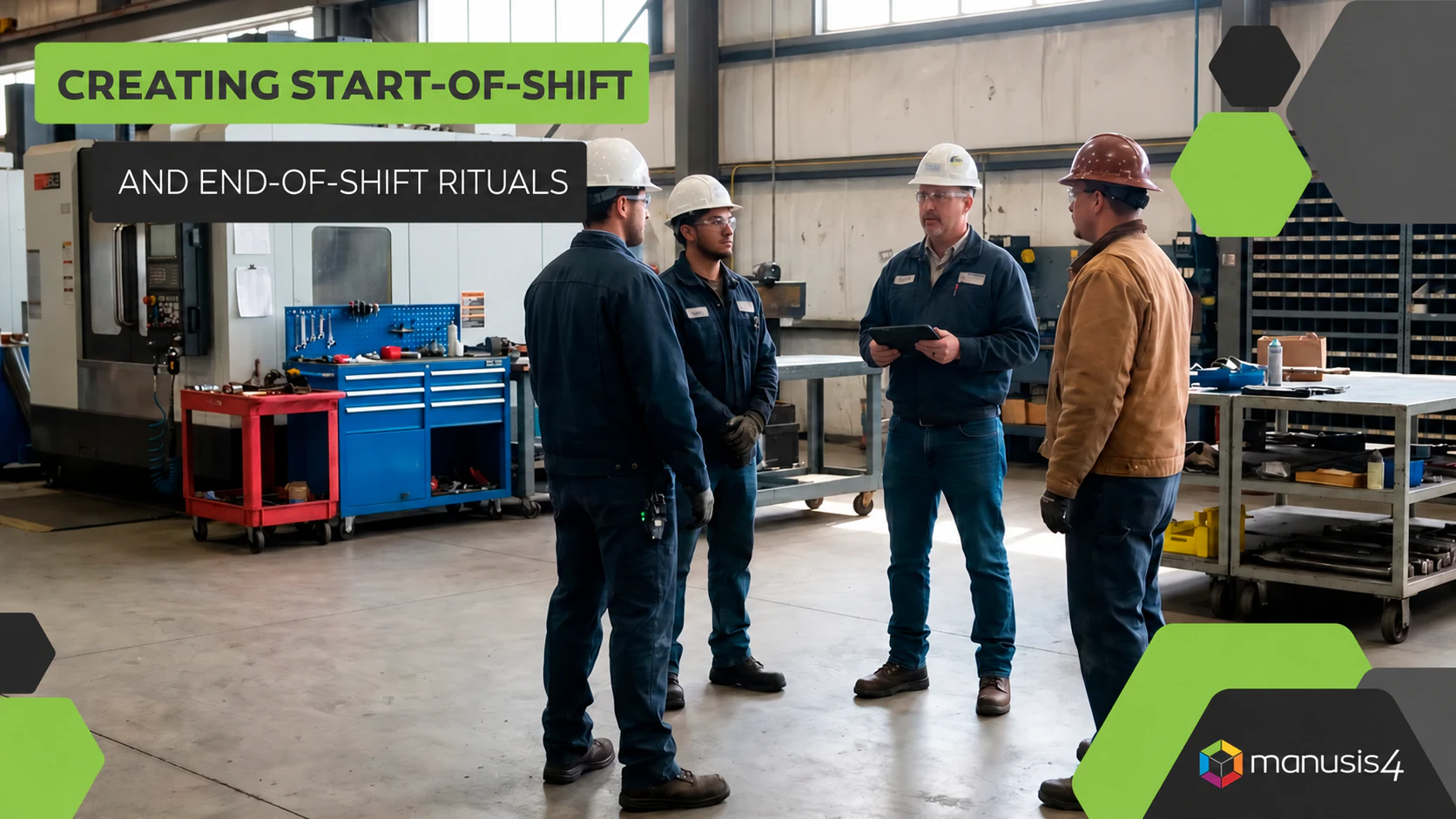
High-performance maintenance teams don't get there by accident. Behind every team that delivers consistency there is an invisible structure: transition rituals.
Don't confuse ritual with bureaucratic protocol. A transition ritual is a conscious marker — something that tells the brain and body: "something new begins now." Two minutes, every day, at the same moment. That is enough to create emotional predictability in one of industry's most unpredictable functions.
Why Consistency Matters More Than Intensity
Most managers invest in monthly meetings, semi-annual training and annual engagement campaigns. They are intense, but punctual initiatives. The team feels the impulse — and then routine takes over again. What transforms teams is not the intensity of unique events. It is the consistency of small daily routines. A two-minute ritual, applied 250 days a year, represents 500 minutes of intentional state anchoring — equivalent to over 8 hours of high-quality leadership that no training can replace.
What Happens When Routine Has Structure
When the team starts the shift with a shared ritual — even just 60 seconds — three things consistently happen:
- State alignment: everyone moves from the personal world into the operational context together, at the same moment.
- Priority clarity: the system shows the queue, the leader confirms the day's focus, the team begins oriented — not in fire-fighting mode.
- Belonging: the small shared daily gesture creates collective identity. The team stops being a set of individuals and becomes a team.
And when the team ends the shift with a shared ritual — recording what was delivered, acknowledging what remains for the next shift — three things also happen:
- Psychological closure: the brain receives the signal that this cycle has ended — and can truly rest.
- Effortless traceability: what was delivered is recorded, depending on nobody's memory.
- Functional gratitude: by reviewing what was done, the team recognises progress that the day's chaos prevents seeing in the moment of execution.
The Role of the System in Creating Routine
Rituals need an anchor. An anchor is an external stimulus that triggers an internal state — and the best stimulus is one that already fits into the work flow. Manusis4 serves as that anchor: opening the system at the start of the shift and closing the work orders at the end are actions the team already needs to do. Transforming them into a ritual is simply giving intention to what already existed.
Emotional team management does not begin with large interventions. It begins with small consistencies. Two minutes, every day, in the same direction — this transforms.
Where to Start
If you have never tried transition rituals with your team, start with a single question at the start of the shift: "What does each of us need to deliver our best today?" No elaborate answer required. One word is enough. Focus. Silence. Team. Energy. This single gesture — done every day, at the same moment — already marks the difference between a group that starts the shift together and a group that merely starts at the same time.