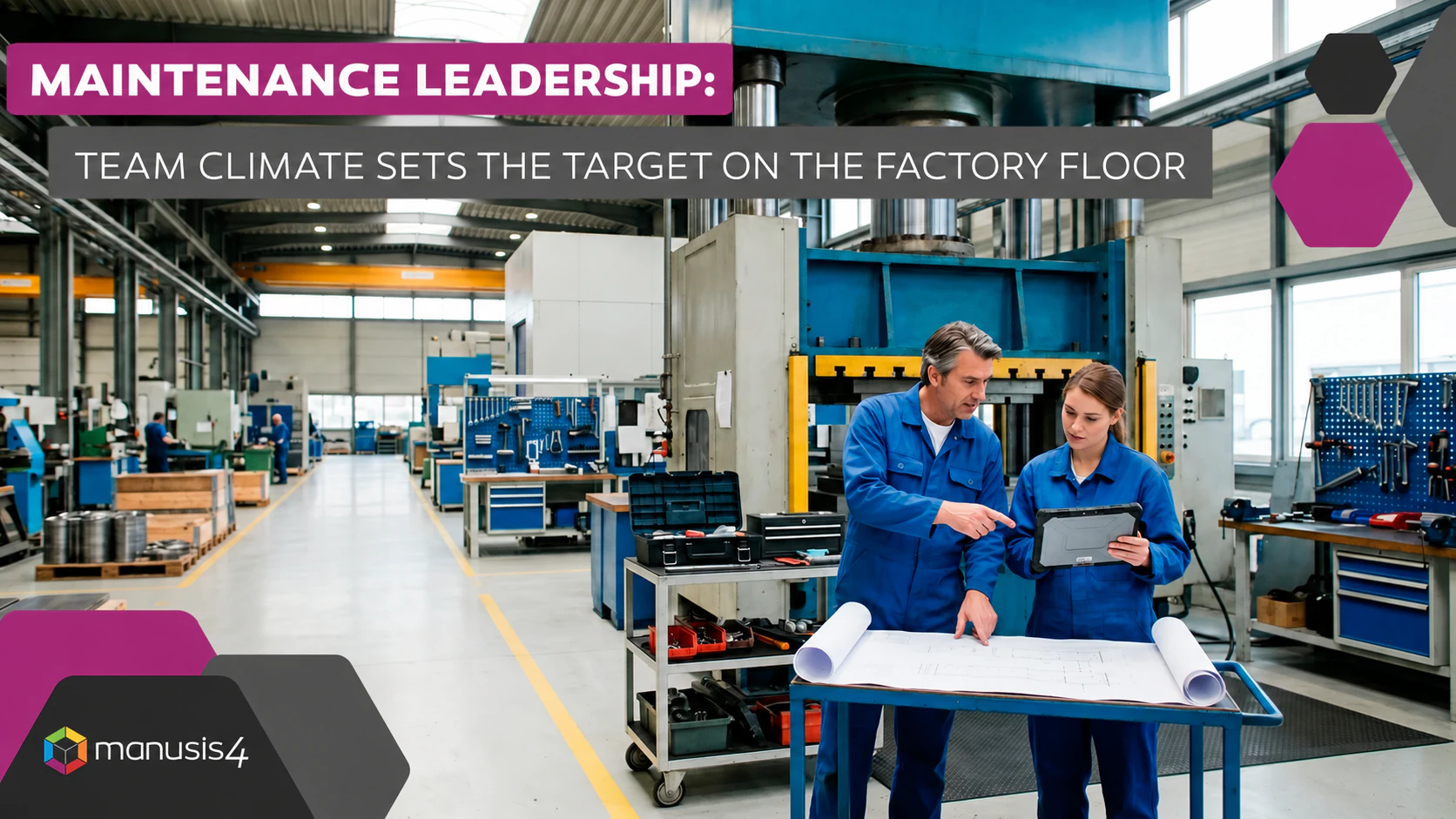
The radio sounds midway through the shift. The operator confirms a critical equipment breakdown. The supervisor gets up from the desk and enters production with heavy steps, shallow breathing, and visible impatience. No instruction has been given. The tools have not even been selected. Yet the team already knows: the next hour will be pure chaos.
True maintenance leadership does not begin when the work order is printed, but when the manager walks through the door. The emotional state of the person coordinating the repair instantly affects the entire operation. If the coordinator arrives agitated, the team rushes instead of analyzing. If they arrive irritated, technical communication disappears.
Industrial managers demand extremely high stability and predictability from physical assets, yet often offer their teams completely unpredictable moods. The cost of this imbalance arrives quickly. How can a plant achieve operational stability if the front line of technical leadership operates in a state of constant emotional overload?
Why does constant reactivity destroy response times?
A manager's emotional state directly affects the speed and quality of the team's response to critical failures. When leadership acts through urgency and shouting, field technicians stop focusing on the mechanical solution and start defending themselves against pressure. The mental priority shifts from machine stability to protecting their own employment.
Psychological safety, shaped by management's behavior, is a team's greatest performance driver, as a detailed McKinsey analysis points out. Without a safe space to report failures, technical communication breaks down. The maintenance worker hides a lubrication mistake. A part taken from the storeroom goes unrecorded. A temporary makeshift repair becomes the permanent rule.
Changing this situation requires coordinators to adjust their own internal state before allocating tasks or entering the line. High-performance technical alignment depends on very practical behaviors:
- An intentional pause: 60 seconds of silence to breathe before opening the door and interacting with a team in crisis.
- Focus on processes, not people: direct questions toward the failure's root cause using TPM tools, leaving blame out of the discussion.
- Clear priorities: define what will not be done that day to make room for the genuine emergency.
- Tactical transparency: objectively explain the shutdown's business impact, eliminating hidden pressure.
- Tactical self-awareness: silently ask: “Is my current stress level helping reduce MTTR, or simply paralyzing the team?”
If a lack of control sets the pace in the management office, it inevitably generates unplanned downtime on production lines. This takes us to the root of the problem: what really fuels this chronic anxiety among reliability professionals?
A lack of accurate data at the source creates overloaded leaders
In practical terms, maintenance leaders lose emotional control when they cannot trust the information they receive. Without real-time data on work-order progress, actual critical-parts availability, and asset history, any small deviation from routine becomes an enormous fire.
The root of exhausted leadership is almost never the machinery's mechanical complexity, but a complete lack of execution visibility. Managing an industrial operation without consolidated information is like steering a complex process in the dark. Plants still entrusting scheduling to printed papers and piles of local spreadsheets spend more physical energy searching for information than tightening bolts.
According to modern management guidelines published by Plant Engineering, the transition to a reliability culture begins by eliminating basic operational uncertainties. Managers can only lead clearly when they have support to:
- Check actual inventory availability before dispatching a technician to the area.
- Monitor OEE and MTBF without consolidating dozens of manual reports every Friday.
- Put the current manual and intervention history for a particular serial number directly into the mechanic's hand.
- Eliminate distorted secondhand messages and verbal requests lost between operations and maintenance planning and control.
- Know exactly which repair stage each team member is working on.
When concrete data governs administrative routines, the coordinator's mental capacity is finally freed. They stop hunting for missing components and start strategically managing the technical team's development. This change in focus prevents a silent loss that erodes industrial cash flow every month.
The hidden cost of a toxic organizational climate on the factory floor
The actual financial impact of a technical team working under constant tension rarely appears as an isolated operating-expense line. It is skillfully concealed in rising rework and, above all, high turnover among highly skilled workers.
When the maintenance environment is aggressive and unpredictable, the most experienced professionals do not hesitate to seek opportunities in companies with more structured cultures. Losing a senior technician's tacit knowledge creates an immeasurable cost. Until a new employee understands an old compressor's thermal or vibration characteristics, dozens of predictable failures will recur.
Beyond the breakdown risk, a tense climate directly affects risk perception. Haste imposed through shouting reduces adherence to lockout/tagout (LOTO) procedures. The avoidable cost of a single serious workplace accident dwarfs any illusory productivity gain achieved through intimidation.
This dynamic raises urgent questions for those transitioning toward more intelligent management.
Frequently asked questions about technical leadership and productivity
How can management's impact on team behavior be measured?
The clearest reflection appears in talent-retention indicators and chronic schedule delays. Repeated rework spikes on the same machine and rising Monday absenteeism are classic symptoms of a technical group operating under emotional fatigue caused by management.
Do software tools replace a supervisor's ability to communicate?
No. Management technology organizes information chaos. By ensuring the team can access accurate source data, the platform removes the stress caused by misinformation. This gives leaders the quality time needed to mentor, listen to improvement ideas, and focus on ISO 55000 standards.
What is the first step toward reversing tension during a shift?
Change must begin with a behavioral adjustment by the person approving activities. Leaders need to identify their own reactivity triggers and apply a safety filter before demanding raw results. Getting the operation in order, with predictable materials and tools, is the foundation for mutual respect.
Operational calm is a business choice
Modern industrial maintenance leadership goes beyond the technical ability to diagnose a bearing failure. Fundamentally, it means providing the structure and psychological safety technicians need to apply their knowledge without unnecessary noise or friction. You do not have absolute control over the metal's physical degradation, but you have complete control over the problem-solving climate you establish on the factory floor.
A coordinator free from chronic anxiety makes tactical decisions based on real data rather than desperate intuition. The calm needed to conduct a planned shutdown smoothly is only achieved when management abandons paper and embraces complete digital traceability across the asset life cycle.
Highly demanding plants, such as Stellantis facilities, already operate with this level of control and fluidity. With Manusis4's integrated Work Orders module and Hive AI Agent, communication noise disappears and leaders gain complete real-time visibility, allowing them to demand execution fairly and on an informed basis.
If your coordinators still spend hours hunting for parts not deducted from inventory instead of analyzing the financial health of assets, the next step is much simpler than it seems.