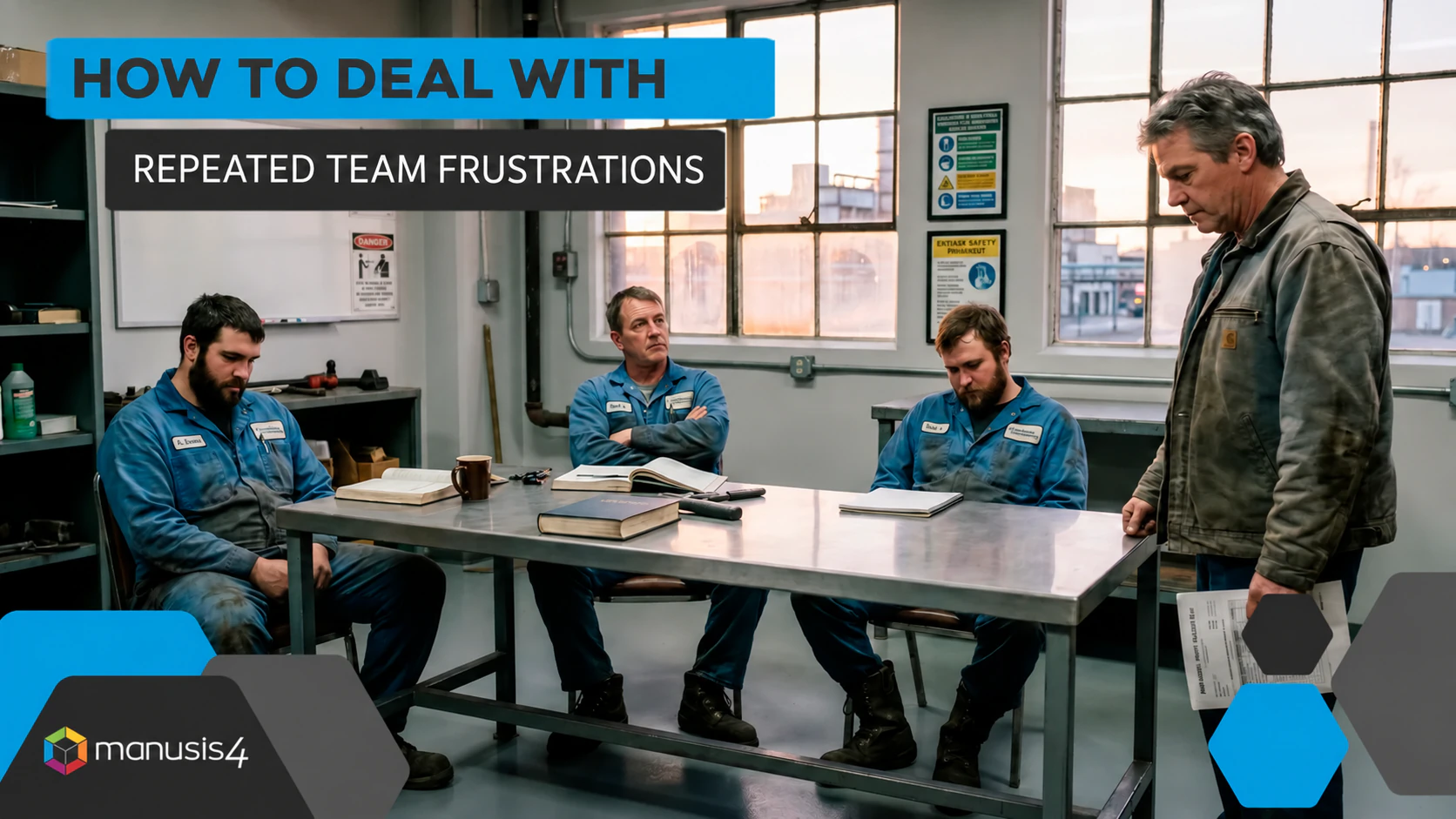
The technician came to the meeting. The agenda, projected. The leader, animated. The team, silent. Nobody asks. Nobody suggests. When someone proposes something new, the response is always the same: "they already tried that. It didn't work."
This phrase is the clearest symptom of a diagnosis rarely named: collective cynicism. And it is born from a silent root — the repeated frustration of the maintenance team.
Why Maintenance Is Especially Vulnerable
Think about the typical trajectory of a technical maintenance team. It has already seen systems implemented and never used. Training without continuity. Goals changed overnight. Leaders arriving full of plans and leaving without anything concluded. Promises of recognition turning into silence.
Each of those times left a mark. Not in the document, not in the indicator, but in the collective emotional memory of the department. And that memory operates as a filter: everything new that arrives is interpreted through the history of what didn't work.
The costs of this don't appear in climate surveys: new ideas die before being said aloud, the best technicians resign without drama, indicators stall on a plateau and nobody understands why.
How to Rebuild Trust When Discourse No Longer Works
Collective cynicism is not fought with engagement workshops. When the team is in "seen this film before" mode, nice words make the situation worse. What cures collective cynicism is a rare combination: honest recognition of what failed in the past, public commitment to what will be different now, small concrete deliveries over time, and consistency — because a single failure reactivates the entire group's cynicism.
Trust rebuilds when the leader substitutes promise with evidence. With correctly recorded data, met deadlines, action closed all the way through.
Where Technology Enters as an Ally in This Turnaround
Here technology does something that discourse alone cannot: it shows concrete evidence that things are, in fact, changing. A well-implemented EAM/CMMS platform transforms maintenance management into measurable routine — month-by-month comparative indicators, history of improvements proposed and implemented, visibility of the impact of each decision.
When the team sees — in data, not in words — that what was promised is being delivered, the collective emotional memory begins to rewrite itself. Trust comes back slowly. Cynicism loses strength.
FAQ
How do you differentiate temporary fatigue from installed collective cynicism?
Temporary fatigue passes with rest, load adjustment or frank conversation. Collective cynicism is structural: the team stops proposing, avoids meetings and responds to any new initiative with reference to the past that didn't work. It is a pattern, not a state.
How long does it take to reverse cynicism in a maintenance team?
There is no fixed deadline, but organisational culture studies point to cycles of 12 to 18 months of consistent deliveries before the collective emotional memory rewrites itself. A single unfulfilled promise in that period can restart the cycle.
Trust is not rebuilt with words — it is rebuilt with proof. If your team is delivering the minimum and nobody can explain why, the next step is not a motivational workshop.